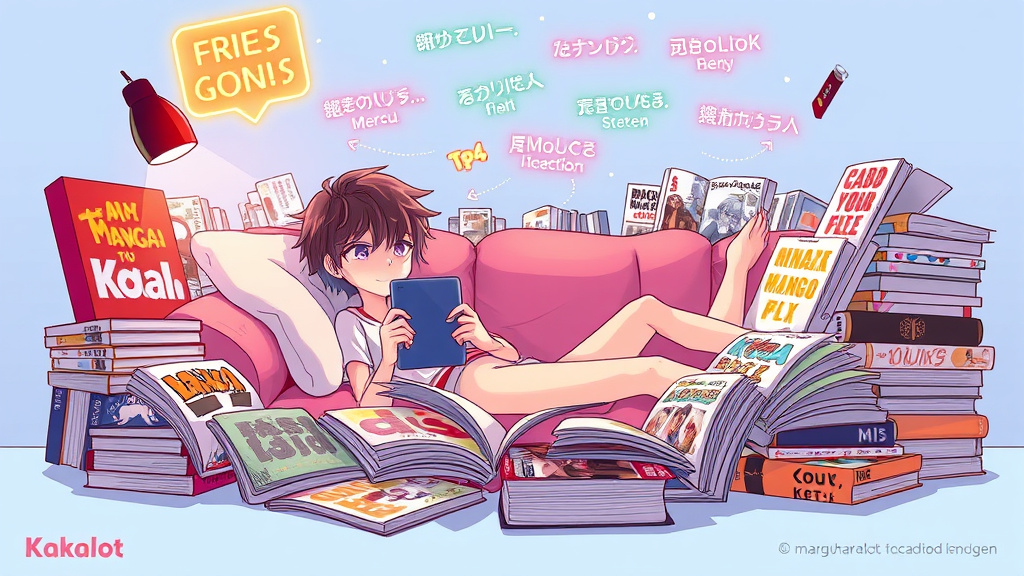
anime comics have long captivated audiences worldwide with their vivid storytelling, unique artistry, and cultural depth. These two mediums—anime and comics—are not just entertainment forms but are cultural phenomena that reflect societal values, artistic innovation, and a global dialogue. As their worlds continue to intertwine, they foster a dynamic fusion that shapes contemporary pop culture in ways both inspiring and unprecedented.
In this article, we will explore the multifaceted journey of anime comics, from their evolution on paper to their impact on media and society. Dive deep into how these art forms have adapted and thrived through technological advances, genre diversity, and passionate fan communities. Whether you’re a seasoned fan or new to anime comics, this exploration offers fresh perspectives on their significance in today’s cultural landscape.
The Evolution of Anime and Comics: A Cultural Convergence
The evolution of anime and comics is a testament to their capacity as cultural mirrors, reflecting societal shifts and aesthetic trends over decades. Originally rooted in distinct traditions—comics with their Western origins and anime stemming from Japanese artistic sensibilities—the two have increasingly converged, leading to hybrid styles and cross-cultural influences. This convergence is evident in the fusion of storytelling techniques, visual motifs, and thematic profundity, creating a rich tapestry that appeals to diverse audiences.
What’s remarkable is how these mediums have evolved simultaneously while influencing each other. For instance, the rise of manga has popularized serialized storytelling, which then translated into animated cycles that enhanced narrative depth. Conversely, American superhero comics have inspired Japanese works, giving rise to innovative characters that challenge traditional archetypes. This cultural blending reveals that anime comics are more than mere entertainment; they are evolving dialogues that shift boundaries, celebrate diversity, and showcase creative resilience across geographic borders.
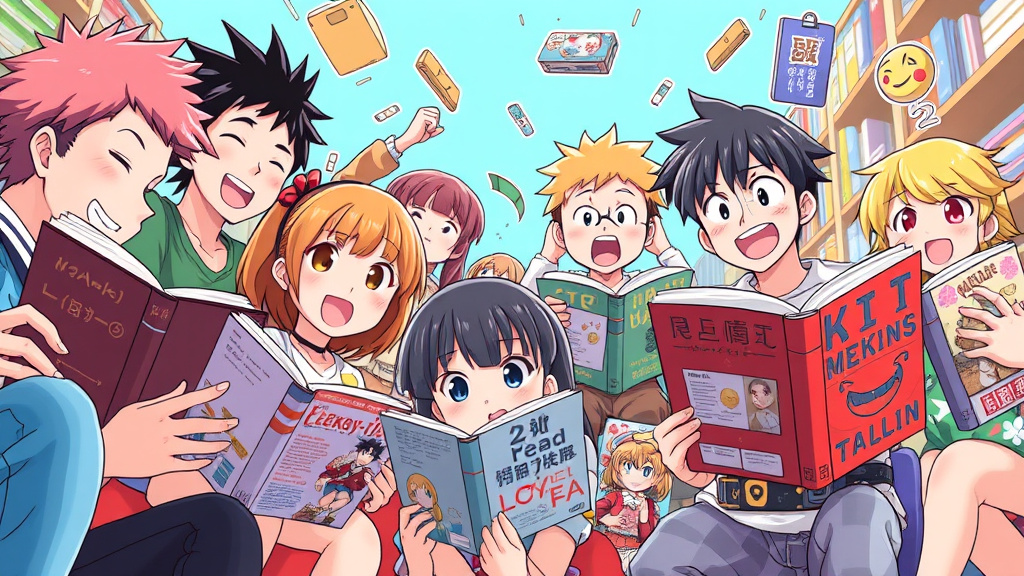 Hình minh họa: anime comics – unblocked manga reading sites
From Page to Screen: Exploring Anime Adaptations of Comic Books
One of the most captivating aspects of anime comics is their transition from static pages to dynamic screens. Adaptations have become a cornerstone of how stories are disseminated, allowing fans to experience narratives in animated form with voice acting, motion, and sound. However, this transition often involves significant creative choices—balancing fidelity to original comics with the demands of animation and audience expectations.
This process underscores how anime adaptation serves as both a tribute and a reimagination. Classics like Akira and Ghost in the Shell demonstrate how visual and thematic elements can be amplified through animation, reaching wider audiences and extending their cultural impact. At the same time, adaptations can sometimes diverge from source material—challenging fans and creators alike to reconsider what constitutes the “authentic” story. Ultimately, these adaptations highlight an ongoing dialogue—one that enriches both metaphors and aesthetics within anime comics.

Artistic Synergy: Examining the Visual Styles of Anime and Comics
The visual appeal of anime comics is rooted in their distinct yet harmonized artistic styles, which combine intricate detailing, expressive character design, and innovative framing. Anime’s fluid animation techniques and dynamic compositions enhance comic arts’ static illustrations, resulting in a synergistic visual experience that captivates viewers on multiple levels. This artistic bridge often employs bold lines, vibrant colors, and exaggerated expressions to convey emotion and mood effectively.
Furthermore, the interplay of visual styles has given rise to genre-specific aesthetics—ranging from the gritty realism of seinen manga to the whimsical charm of shōjo. Artists across these media continue to push boundaries, experimenting with digital tools, mixed media, and hybrid techniques. Anime comics are thus not static art forms but evolving canvases where visual storytelling becomes a vibrant language that transcends cultural and artistic borders, reinforcing the universality yet diversity of these mediums.
Beyond Superheroes: Alternative Genres in Anime and Comics
While superhero narratives dominate much of Western comics and anime, there exists a rich universe of alternative genres that broaden creative horizons. From psychological thrillers and horror to slice-of-life and fantasy epics, anime comics offer diverse thematic explorations—each resonating with different facets of human experience. This shift towards varied genres reflects a maturation in storytelling, emphasizing personal growth, societal critique, and philosophical inquiry.
This genre diversity also democratizes access, appealing to niche audiences seeking stories beyond traditional heroism. Works like Mushishi and Paranoia Agent exemplify how anime comics leverage atmospheric visuals and layered narratives to evoke deep emotional and intellectual engagement. Such diversity cultivates a more inclusive and innovative creative landscape, proving that anime comics are versatile storytelling tools that can transcend cultural stereotypes and explore complex themes.
The Global Impact of Anime and Comics on Pop Culture
The global reach of anime comics has transformed them from niche interests into mainstream cultural phenomena. Their influence extends beyond entertainment into music, fashion, language, and social discourse, shaping contemporary pop culture on a worldwide scale. Streaming platforms, international conventions, and translation efforts have democratized access, fostering cross-cultural exchanges and acceptance.
Moreover, anime comics serve as catalysts for multicultural understanding, often featuring relatable characters and stories that resonate across borders. Their success has inspired countless creators to study and emulate the stylistic and thematic elements that make these mediums unique. As a result, anime comics not only entertain but also foster global conversations about identity, tradition, and innovation—highlighting their profound role in shaping modern cultural identity.
Independent Creators: The Future of Anime and Comic Artistry
The rise of independent creators marks an exciting new chapter in anime comics’ evolution. Digital platforms like Webtoon, Tapas, and social media enable artists to reach wider audiences without traditional publishing hurdles. These creators experiment with unconventional storytelling, unique art styles, and innovative formats, challenging established norms and diversifying the cultural landscape.
This democratization fuels a more inclusive environment where underrepresented voices can flourish, leading to richer narratives and visual diversity. Moreover, independent creators often blend influences from various genres and cultures, pioneering fresh aesthetics and thematic explorations. Their contributions are shaping the future of anime comics, ensuring that these art forms remain dynamic, relevant, and reflective of a broader spectrum of human experiences.
Character Archetypes: Common Themes in Anime and Comic Narratives
Throughout their histories, anime and comics have developed distinctive character archetypes—often symbolic of broader cultural motifs. From the reluctant hero to the tragic anti-hero, these archetypes provide familiar touchstones that guide storytelling, audience identification, and thematic depth. However, contemporary creators are increasingly subverting these norms, offering nuanced and multidimensional characters that challenge stereotypes.
These archetypes are not only narrative tools but also mirrors of societal values and fears. For example, the solitary loner or the optimistic outsider often reflect collective fantasies or concerns about individuality and community. Analyzing these recurring themes reveals how anime comics serve as both mirrors and shapers of cultural identity, emphasizing the importance of character-driven storytelling in creating meaningful emotional connections.
Fan Communities: The Passionate Fandoms of Anime and Comics
The passionate fan communities surrounding anime comics are vibrant and deeply engaged, fostering a sense of belonging and shared interest. Fans not only consume content but also create derivative works—fan art, comics, cosplays, and fan fiction—that extend the narratives and influence upcoming creators. This participatory culture emphasizes the interactive nature of these mediums, blurring the lines between creator and consumer.
These communities serve as catalysts for cultural exchange, activism, and innovation, often rallying around social issues or celebrating diversity through their collective voice. Their devotion sustains the growth of anime comics, driving markets, inspiring new genres, and ensuring that these art forms remain relevant across generations. Such fandoms exemplify how passionate engagement can elevate entertainment into a powerful social movement.
Technological Advancements: New Mediums for Anime and Comic Creation
Recent technological advances—such as digital art tools, virtual reality, and artificial intelligence—are transforming how anime comics are created and experienced. Digital platforms enable artists to experiment across diverse styles with greater ease, democratizing creation and distribution. Augmented reality and VR, meanwhile, offer immersive storytelling opportunities, bringing fans closer to their favorite characters and worlds.
These new mediums challenge traditional production constraints and open imaginative horizons. For instance, interactive comics allow readers to choose narrative paths, blending gaming elements with storytelling. As technology continues to evolve, anime comics are poised to become more immersive, accessible, and participatory, ensuring their place at the forefront of innovative entertainment and cultural expression.
Anime and Comics as Social Commentary: Addressing Contemporary Issues
Anime and comic narratives are powerful tools for social commentary, tackling issues like gender equality, political corruption, environmental crises, and mental health. Creators use these mediums not only to entertain but also to provoke reflection and dialogue, leveraging allegory, satire, and symbolism to explore complex themes.
This approach enhances the relevance and depth of anime comics, transforming them into platforms for societal critique and advocacy. For example, works like Akira comment on urban decay and technological nightmares, while A Silent Voice addresses bullying and disability. These stories remind us that anime and comics are not just escapes but vital spaces for understanding and engaging with pressing global issues.
Conclusion
In summary, anime comics are a vibrant and evolving intersection of artistic innovation, cultural reflection, and social dialogue. From their historical roots to the embrace of technological advances, these mediums continue to expand their influence, engaging diverse global audiences and fostering inclusive storytelling. Their rich character archetypes, genre diversity, and passionate fandoms underscore their importance as both entertainment and cultural artifacts—continuously shaping and reshaping societal narratives across time and space.